
General Wellness
Hydration and Electrolytes: Everyday Balance Without Overthinking
Most adults do fine with water and regular meals. Extra electrolytes matter most during illness or heavy sweating.
Evidence-informed wellness for balanced living. Browse expert-written articles across diabetes, wellness, vision, and more—or join our newsletter for curated updates.
Join the newsletter
Most adults do fine with water and regular meals. Extra electrolytes matter most during illness or heavy sweating.
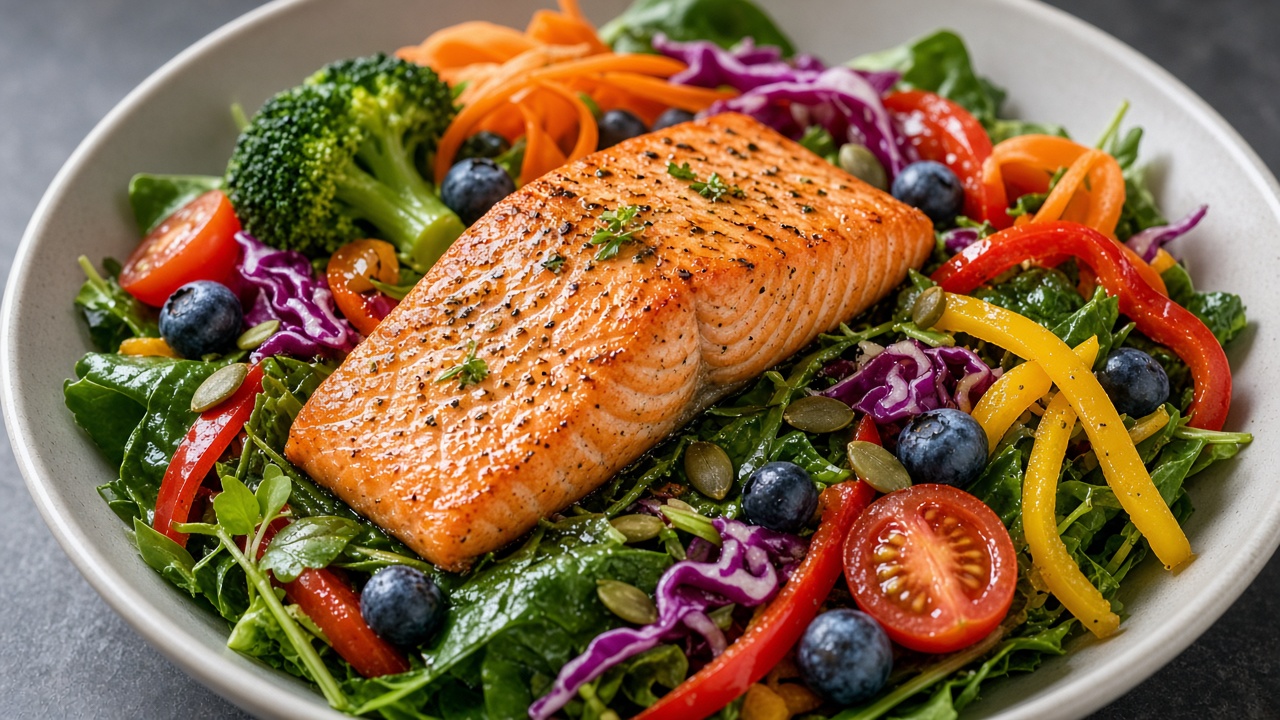
Lutein, zeaxanthin, and omega-3 fats appear in research linked to macular support. Food-first sources matter.

Cortisol and adrenaline can raise glucose even when you have not eaten. Stress management belongs in any glucose plan.

Gentle mobility after waking can improve circulation. Persistent swelling warrants professional evaluation.

UV exposure accumulates daily. Broad-spectrum SPF and protective clothing matter in every season.

Nerve and circulation changes make foot injuries more serious. A consistent inspection routine reduces complications.

Short walks after meals can lower post-prandial glucose and add sustainable calorie burn without joint overload.

Cognitive reserve builds from repeatable behaviors. Novel learning and regular exercise both contribute.
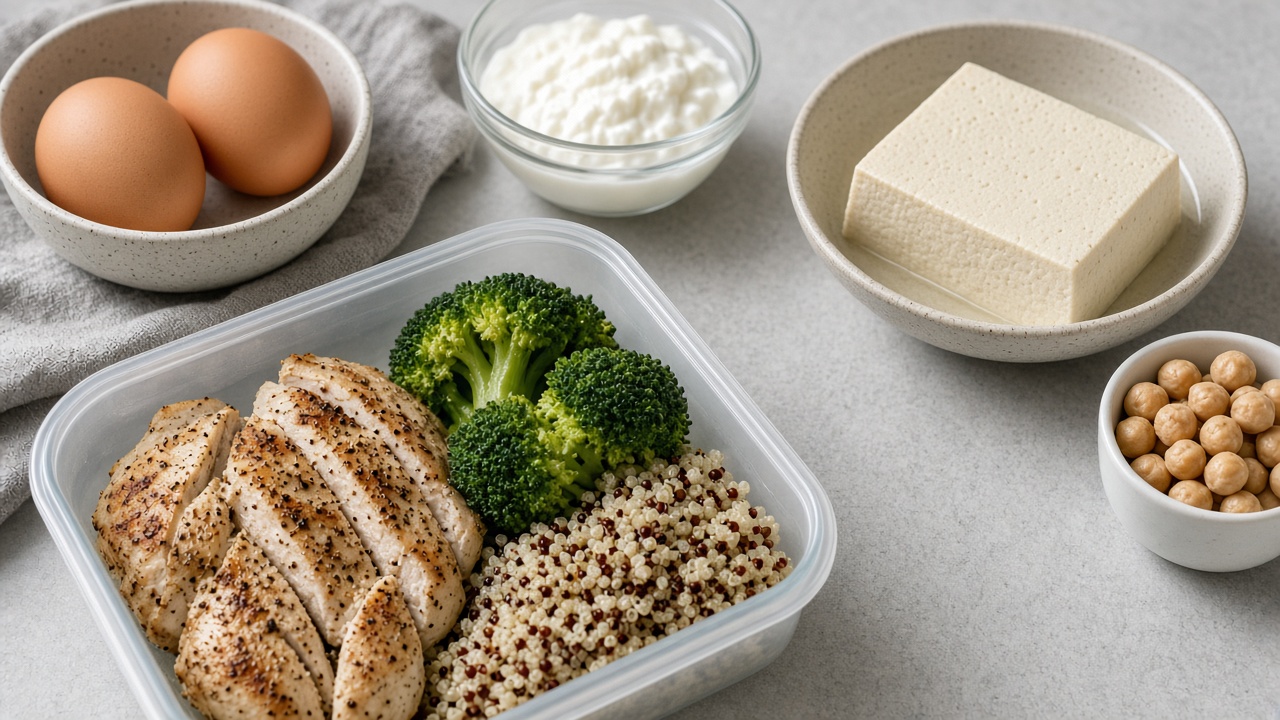
Total daily protein often beats perfect timing, but distributing intake may support satiety and lean mass.
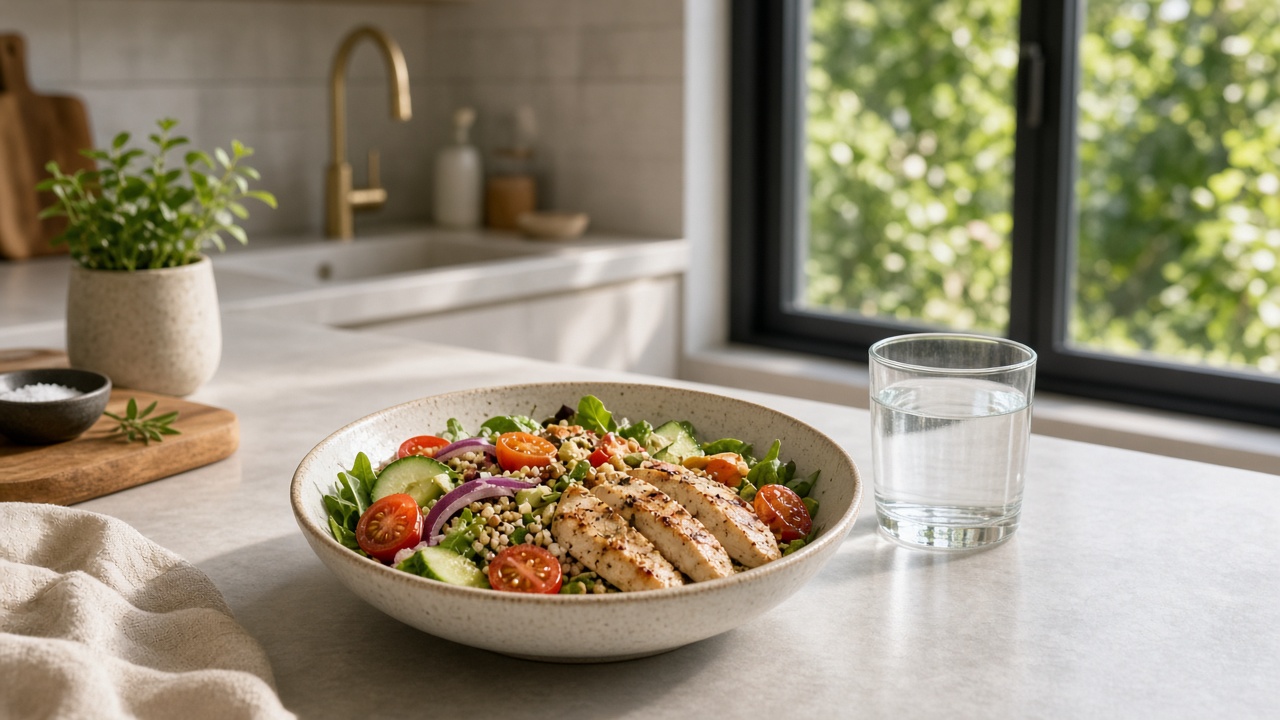
Late-night eating may disrupt insulin sensitivity. Front-loading calories is not for everyone but worth exploring.
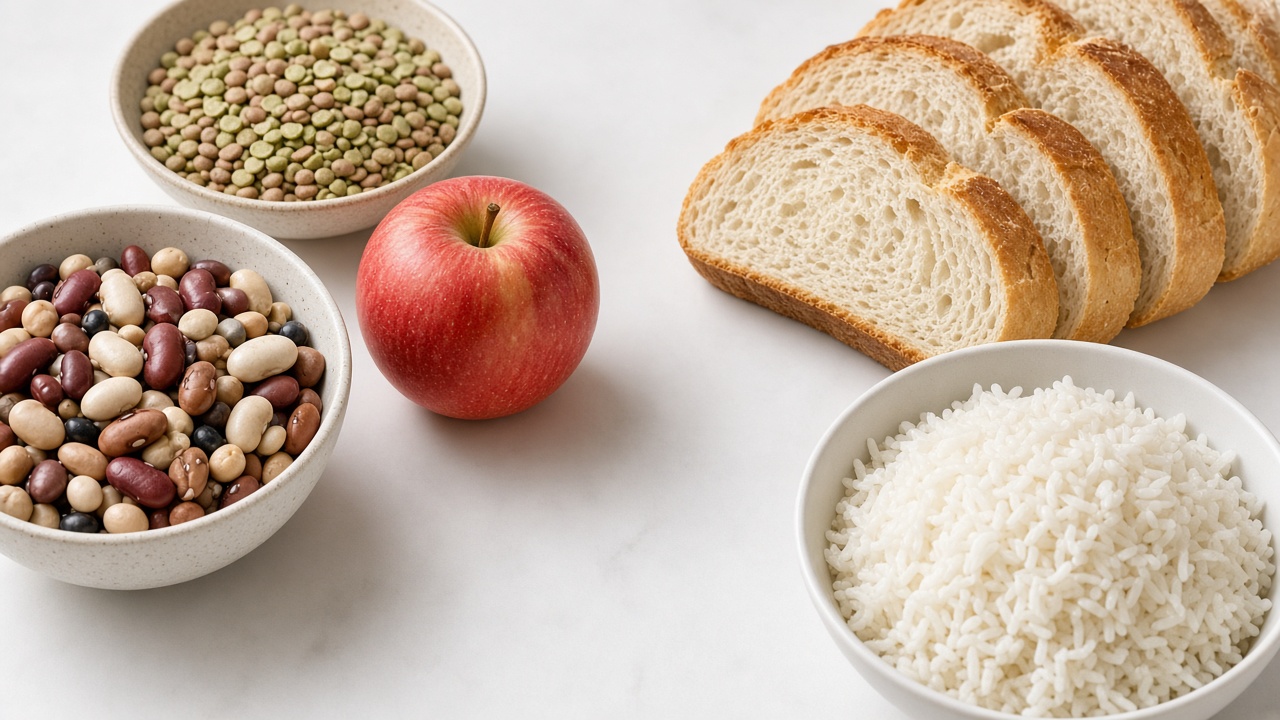
GI scores are useful when paired with portion size and food pairings. Here is how to apply them in real meals.

Masking, habituation, and calibrated sound programs are common approaches. We break down realistic expectations.

Diversity in plant foods feeds beneficial bacteria. Extreme cleanses rarely outperform steady dietary variety.
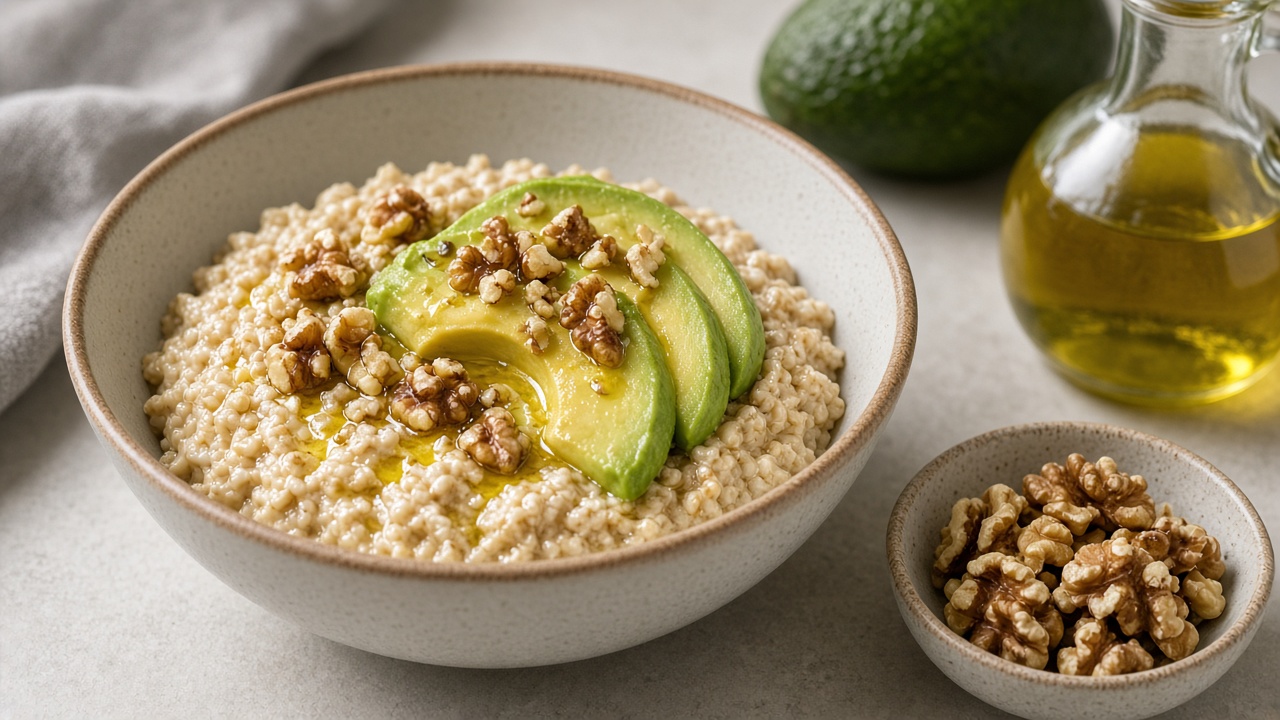
Fiber, unsaturated fats, and activity influence LDL patterns. Lab trends guide when medication is appropriate.
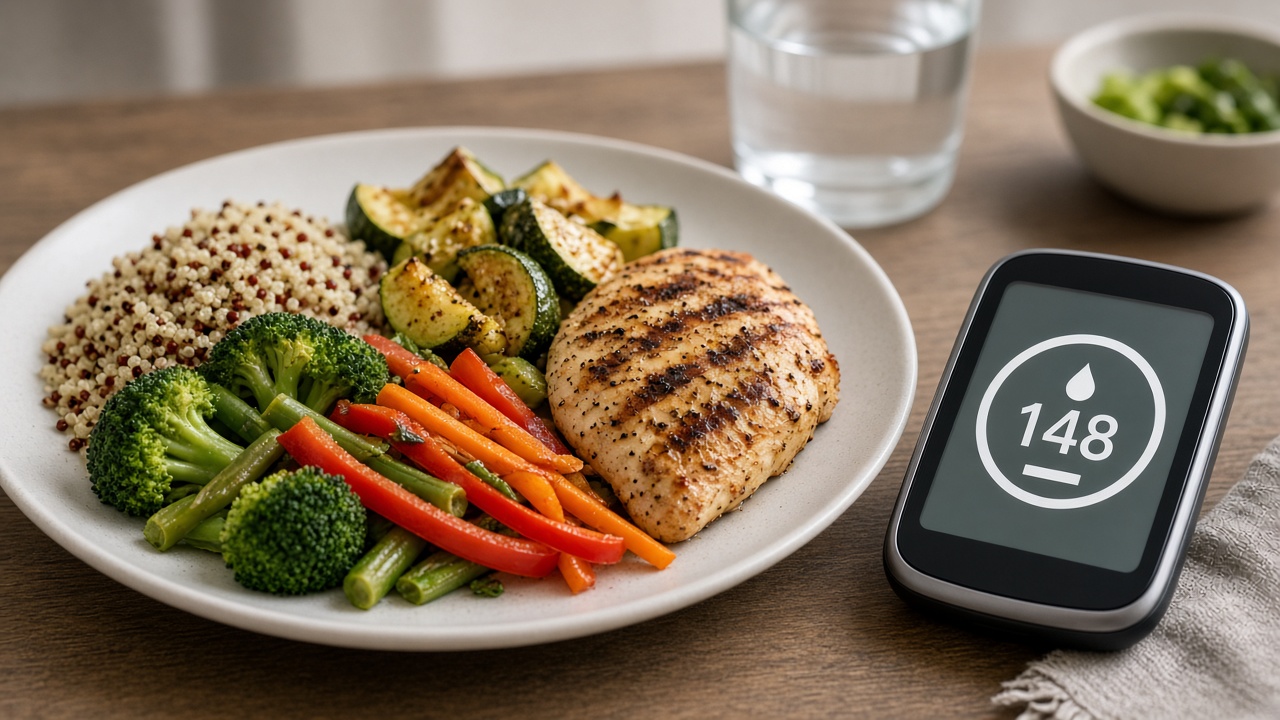
Post-meal glucose rises are normal, but repeated spikes may signal insulin resistance. Practical meal strategies can help smooth the curve.
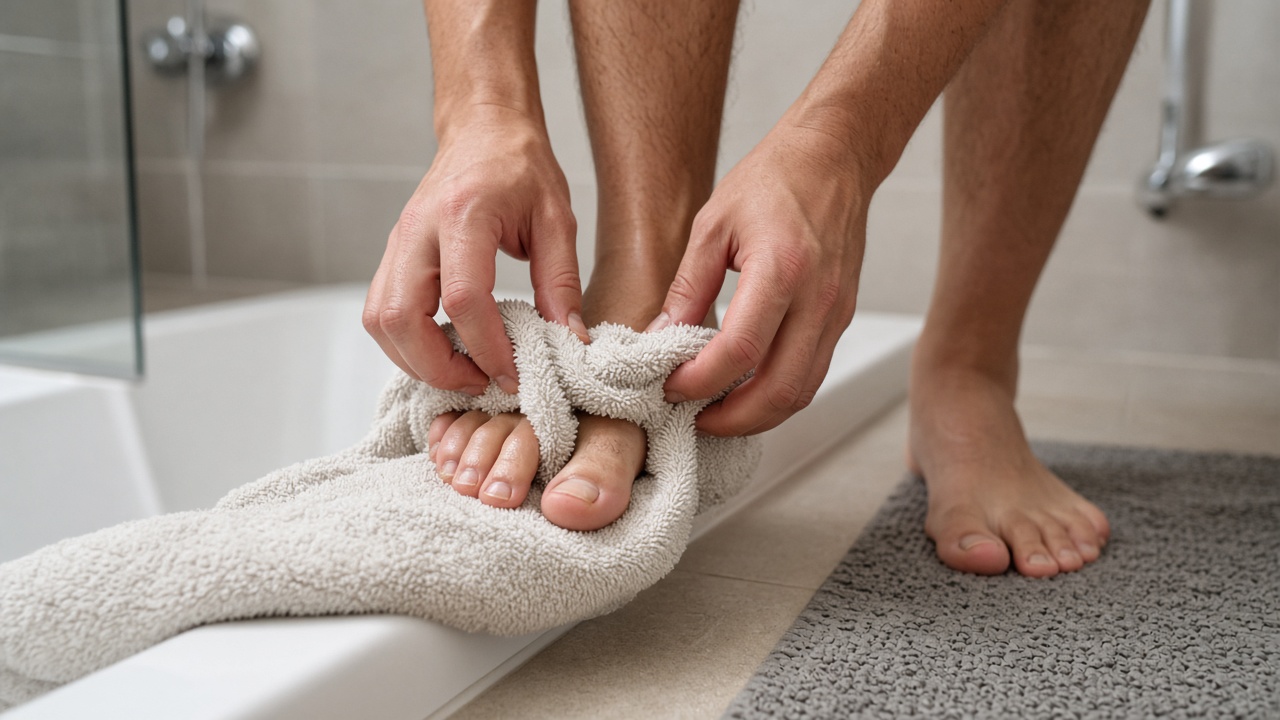
Itching and scaling often return when shoes stay damp. A consistent drying routine reduces reinfection.

Energy crashes can feel like mental sludge. Balanced meals and sleep often clarify thinking within days.
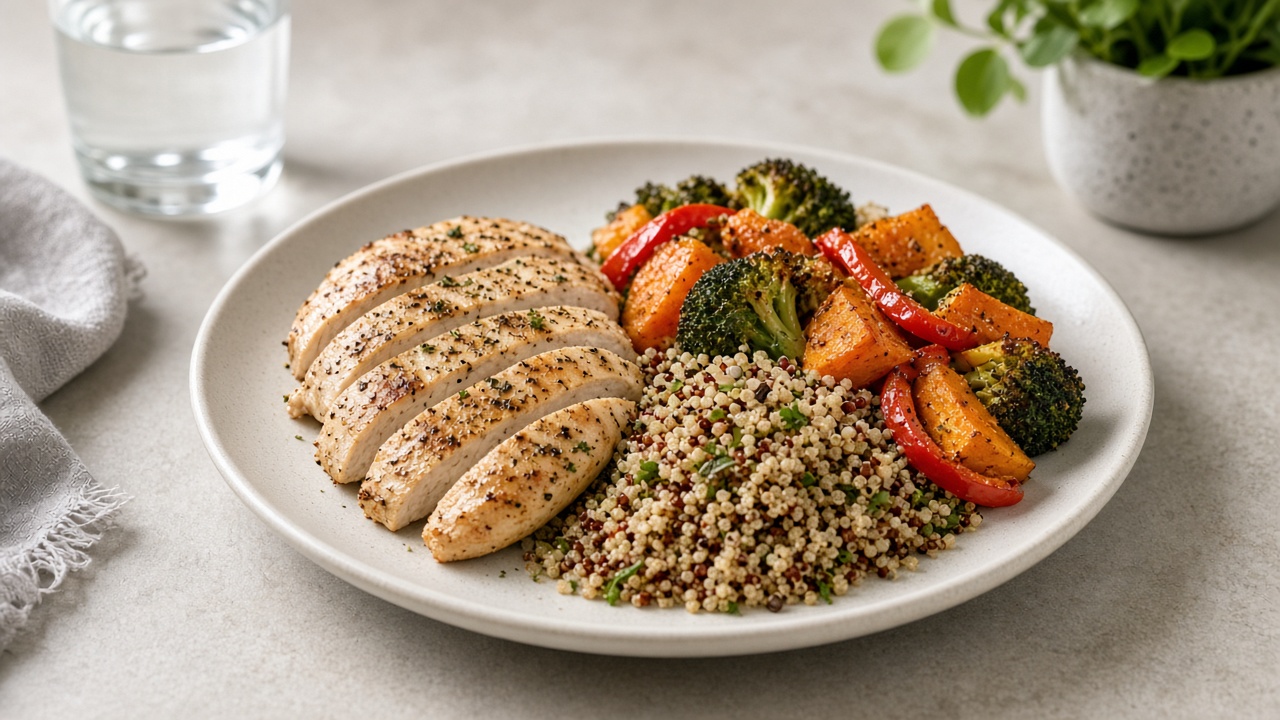
Crash diets rarely protect muscle or metabolic rate. Gradual change with protein and activity tends to last longer.

Over-washing and harsh products strip lipids. Gentle cleansers and moisturizers restore the barrier faster.

How you start the day influences appetite, energy, and glucose patterns. Simple habits can set a calmer metabolic tone.

Short sleep can raise appetite hormones and impair glucose tolerance. Consistent schedules support both.

Swimming, cycling, and controlled strength work can build capacity without aggravating sensitive knees or hips.

Dryness, blur, and headaches often trace back to reduced blink rate and poor lighting. Small ergonomic changes help.

Hypertension is common and often silent. Lifestyle measures remain the foundation alongside medical care.

Prediabetes often develops quietly. Learn what to watch for and how small lifestyle shifts can protect long-term metabolic health.

Ringing or buzzing can feel louder when you are tired or stressed. Structured routines may reduce perceived intensity.
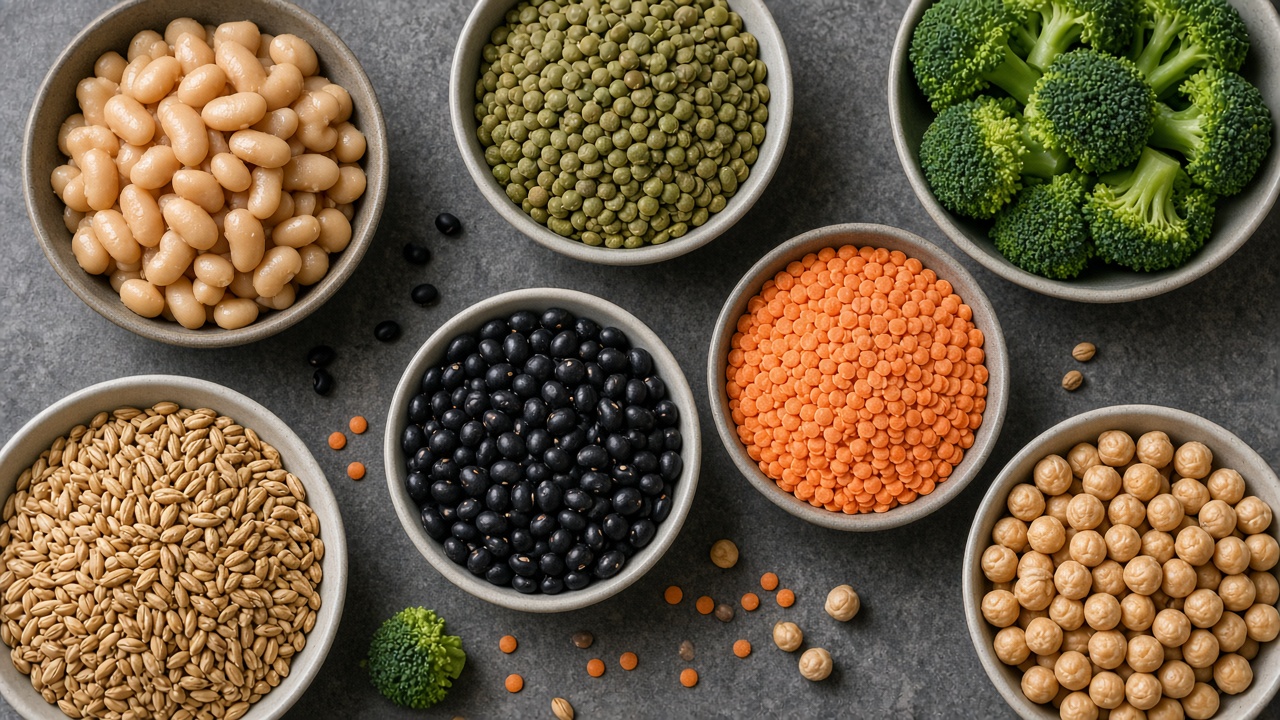
Soluble fiber slows absorption while insoluble fiber supports transit. Both belong in a balanced plate.
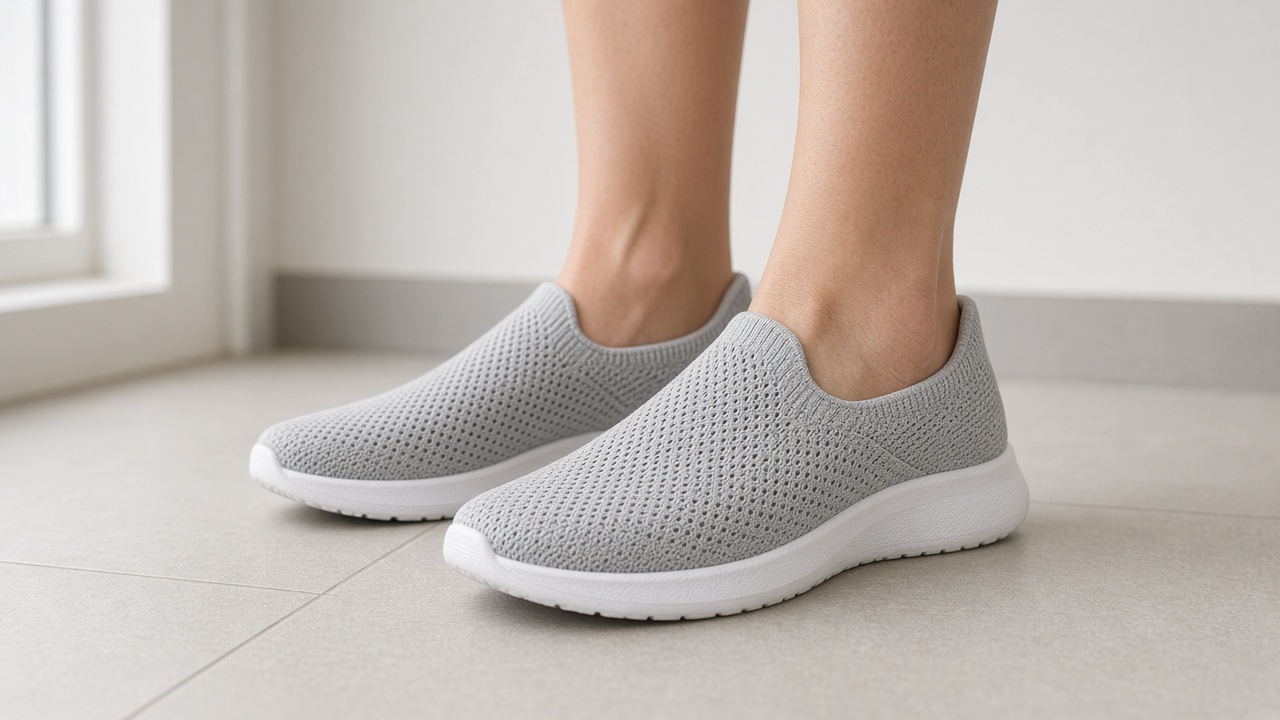
Warm, moist environments encourage fungal growth. Prevention focuses on dryness, rotation, and early treatment.